

Green express rules the rails with clean fuel and zero guilt
Express travel is changing for good, allowing you to catch your usual ride without the heavy conscience of a carbon footprint. Europe’s rail network is on the verge of a historic shift, driven by a new generation of hydrogen and hybrid passenger fleets.
These high-speed units do more than just get you from point A to point B. They operate with next to no noise, run at peak efficiency, and offer premium comfort for long-distance travel. Because they don’t rely on continuous overhead power lines, they can smoothly connect communities that traditional electric trains couldn’t reach before.
The ride is fast, incredibly quiet, and powered entirely by clean fuel. This transformation is not a distant dream for the next decade because the future of guilt-free travel is already hitting the tracks today.
From oil to clean energy
Diesel locomotives have long served as the backbone of regional lines. This is true especially where electrification is hard to achieve. Diesel trains have a good range. However, they release a lot of CO2. They also produce nitrogen oxide emissions. They also create high noise pollution.
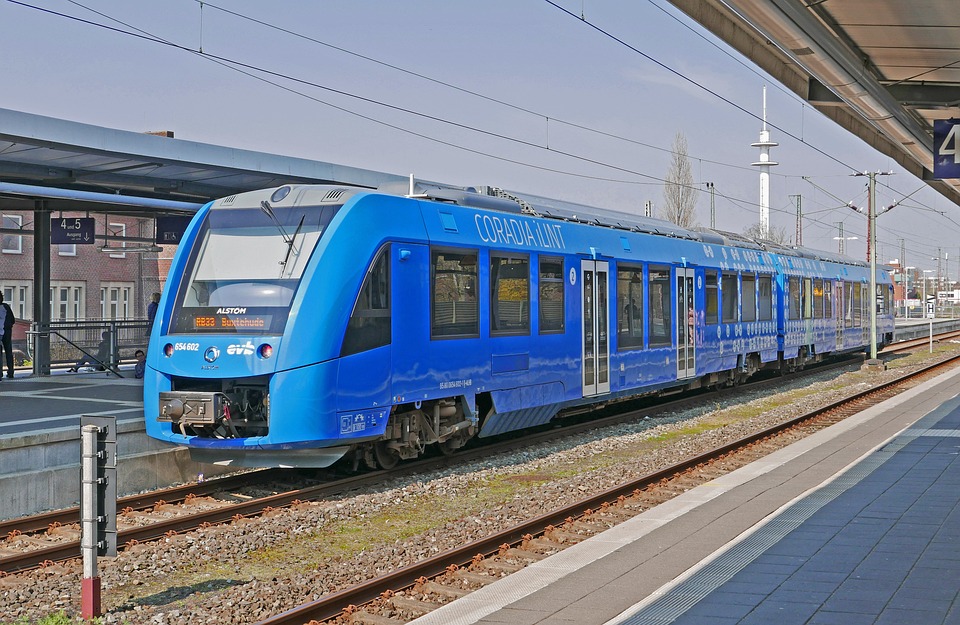
Today, more transport companies turn to hydrogen trains. Alstom’s Coradia iLint is the world’s first passenger model powered by green fuel. Hybrid trains are also in development. These trains can run on hydrogen or electricity. This lets them adapt to different infrastructure conditions.
How the alternative technology works
Fuel cell trains make their own electricity. They use a reaction between hydrogen and oxygen. The oxygen comes from the air.The only byproducts are water and water vapor. This means zero harmful emissions and much lower noise than conventional locomotives. This solution fits long lines without electrification. It offers a large range with high environmental standards.
The hybrid express and modern solutions with combined power
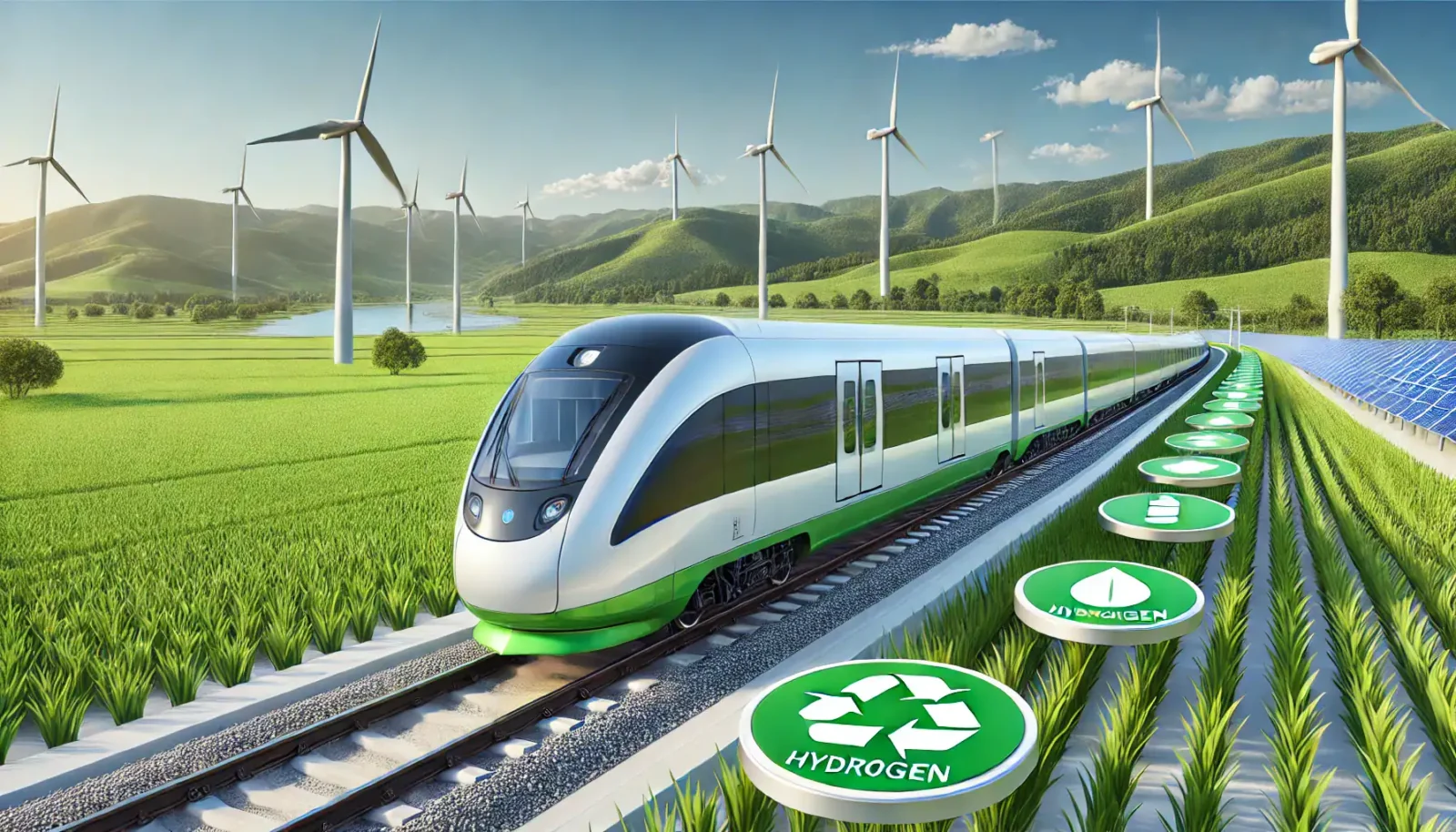
These trains combine two energy sources: electricity and hydrogen. On electrified sections, they run on power from overhead lines. Where this infrastructure does not exist, they switch to the other energy source. This delivers emission free travel. It also cuts the need for full line electrification.
Regulatory framework and certification
The European Union Agency for Railways is developing new certification standards for hydrogen trains. A clear regulatory framework will speed up adoption and protect the safety of passengers and staff. Several countries have already launched national funding programs for green rail infrastructure.
Countries already investing in green express rail:
- Germany leads the way with regular use of the Coradia iLint
- Austria runs test routes with positive results
- The Czech Republic shows growing interest and trial journeys.
- The Netherlands plans to phase out diesel locomotives completely.
- Sweden builds hydrogen refueling infrastructure.
Comparing diesel, hydrogen, and hybrid trains
| Specification | Diesel | Hydrogen | Hybrid (H2 + electric) |
|---|
| Emissions | High CO2 and NOx | Zero, only water and vapor | Zero on both H2 and electric power |
| Noise | High | Very low | Very low |
| Fuel / Power source | Diesel | Hydrogen | Hydrogen plus electricity |
| Range | 800 to 1000 km | 600 to 1000 km | Unlimited on electric, 600 to 1000 km on H2 |
| Refueling time | 5 to 10 min | 15 to 20 min | 15 to 20 min for H2, instant switch to electric |
| Infrastructure | Existing | Requires H2 stations | Requires H2 stations and electrified lines |
| Maintenance | High cost | Less wear | Less wear, longer lifespan |
| Initial cost | Lower | High | Highest |
| Long term savings | Low | Medium | High |
| Best fit | Non electrified lines | H2 routes | Mixed routes |
Challenges and future outlook
The shift to hydrogen or hybrid technology brings real benefits, but also challenges. Green hydrogen production depends on renewable sources like solar and wind. These sources do not always provide a steady energy supply. New infrastructure for storage and refueling is also needed. This requires significant upfront investment.
Over time, these investments pay off. They bring lower operating costs, cleaner air, and less noise pollution in towns and cities.
The road ahead
A train is not just a vehicle. It can be a way of life connected to nature. Climate challenges push us toward green solutions. Hydrogen trains mark only the beginning. Each innovation today shapes a greener tomorrow. Think Green!
Frequently asked questions: