
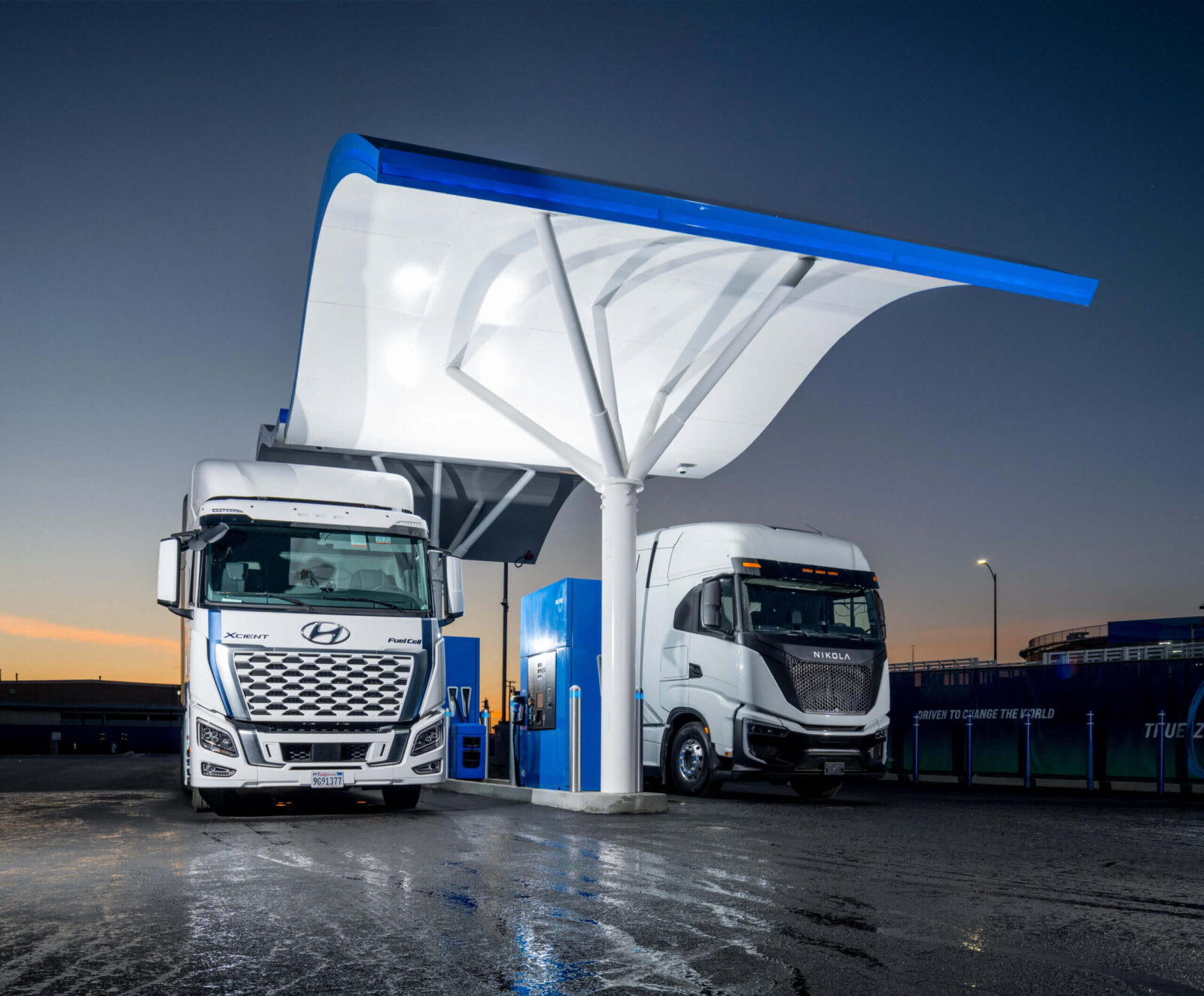
The world is searching for sustainable alternatives to fossil fuels. Heavy transport is one of the hardest sectors to change. Hyundai answers that challenge with more than a concept. The XCIENT Fuel Cell is a real, working product. It is the world’s first mass-produced hydrogen-powered truck. It opens a new direction in logistics. It combines environmental responsibility with engineering power.

photo hyundainews.com
Why hydrogen?
Battery electric vehicles work well for passenger cars. But heavy transport needs a different solution. It needs high power, long range, and fast refuelling. Hydrogen fuel cells deliver all three.
The truck runs on a chemical reaction between H₂ and O₂. This reaction produces electricity. The only byproduct is water vapour. Zero carbon emissions during operation. No compromise on performance. The system offers a range of up to 400 km on a single fill. Refuelling time is comparable to a diesel truck.
What does it offer?
This platform was not built to replace diesel. It was built to surpass it. In environmental impact. In noise levels. In comfort. In maintenance costs. Real-world testing in Europe and South Korea confirms this. The XCIENT handles demanding routes. It protects the environment. It also protects the driver.
Comfort for professionals behind the wheel
Hyundai focused on both technology and the human side of driving. The hydrogen truck’s interior is built for comfort during long, intense routes. A quiet cabin, ergonomic seats, and a smart interface help reduce driver fatigue. Minimal vibrations make every journey much smoother.
Just one step toward a complete transformation
Hydrogen-powered vehicles drive a new generation of transport. In this new era, efficiency goes hand in hand with responsibility. This innovative truck does more than just cut emissions. It acts as a catalyst for sustainable solutions in freight transport.
The economics behind the technology
Fleet operators look beyond emissions. They prioritize the total cost of ownership. Hydrogen trucks carry a higher upfront price than diesel. But the gap closes fast over the vehicle lifetime. Fuel cells have fewer moving parts than combustion engines. There is no oil to change. There is no complex exhaust system to maintain. Brake wear drops too, since regenerative braking takes part of the load.
Operators in pilot programs report measurable savings on service intervals. Downtime drops because fewer components fail. This matters most for long-haul fleets that run trucks almost every day of the year. Every hour off the road costs money. A more reliable drivetrain protects that uptime.
Public funding adds another layer of support. The EU offers grants for zero-emission heavy vehicles through several programs. Some countries add buy subsidies on top. Toll exemptions and reduced road taxes apply in select markets already. These incentives shrink the price gap further each year.
Benefits of the green vehicle:
- Drastically reduced emissions
- Access to green zones and future urban restrictions
- Lower long-term maintenance costs
- Strong brand image built on innovation and sustainability
- Quieter, cleaner, and more comfortable working conditions for the driver
The future is already on the road
Hyundai is not just building trucks. The company is building hydrogen delivery systems. It partners with European logistics leaders. It invests in charging and refuelling infrastructure. The XCIENT Fuel Cell marks a major step toward a cleaner, smarter, and more responsible model of transport.
Are you ready to be part of the change?
Change in transport does not start tomorrow. It starts with the choices we make today. When those choices are cost-effective, technologically advanced, and environmentally sound, the answer becomes clear.
The change in transport does not start tomorrow. It begins with the choices we make today. When that choice is cost-effective, advanced, and eco-friendly, the answer is more than clear.
Frequently asked questions about hydrogen fuel cells
Read more interesting articles: