

Surgery before and after Lister
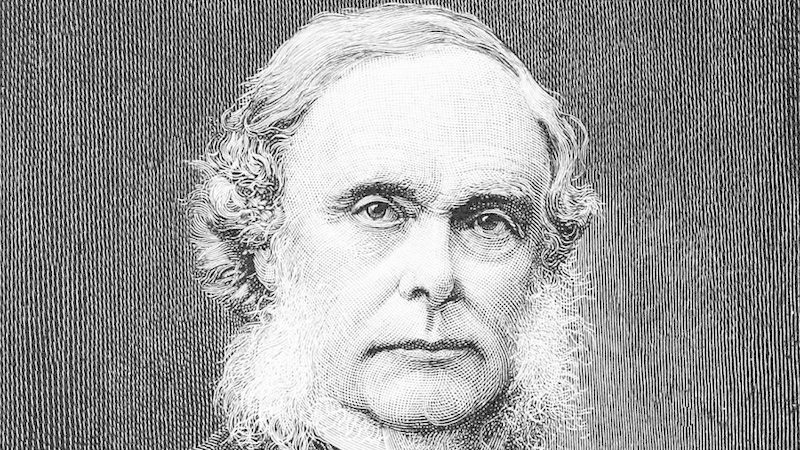
Photo from gohighbrow.com
Joseph Lister is one of those names. He transformed surgery. He introduced antiseptic principles. He cut death rates after surgical procedures. His contribution was so great that he earned the title „Father of Modern Surgery.“
The beginning of a genius
The future pioneer was born on 5 April 1827 in Upton, England. He grew up in a family with a strong interest in science. His father, a respected microscopy researcher, belonged to the Quaker community. The Quakers valued personal spiritual connection over organised religion. This early influence sparked curiosity in young Joseph. He soon became fascinated with the invisible world. This passion would change surgery forever.
Early life and education
In 1860, Lister became Professor of Surgery in Glasgow. He saw tragic cases of fatal post-operative complications. The dominant theory at the time blamed infections on „bad air“ and decay. Lister read the research of Louis Pasteur. Pasteur had shown that microorganisms cause decomposition. Lister began searching for ways to reduce post-surgical infections.
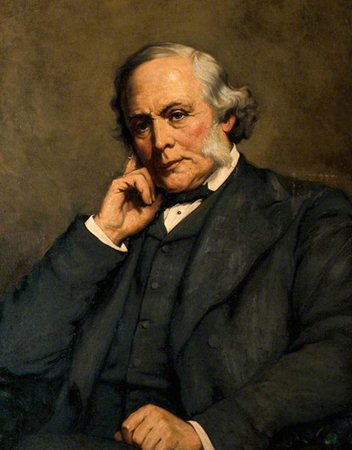
Joseph Lister (1827–1912). Photo @ bg.sushiboom.com
The path to antiseptics
Lister discovered that carbolic acid (phenol) could disinfect surgical instruments and wounds. This prevented the development of infections. His method laid the foundation for modern aseptic surgery. It stands as one of the key achievements of 19th-century medicine.
Challenges in acceptance
The introduction of these new techniques met strong resistance. Most doctors were sceptical. They believed infections came from „bad air“ or invisible „poisons.“ The germ theory of disease was not yet established. Early attempts did not always deliver the expected results. Leading medical figures were cautious. Some were openly hostile. They considered his ideas unproven.
Overcoming resistance
Lister took a scientific approach. He documented successful outcomes. He demonstrated that his methods reduced post-operative infections. His patients recovered faster and more reliably. This served as clear evidence. He visited hospitals. He showed results. He trained surgeons. He built support within the medical community. His methods gained wider acceptance and became standard practice.
Changes in medicine
From the 19th century onward, antiseptic and aseptic methods advanced. Surgery became safer. Carbolic acid was the first key disinfectant. But it damaged tissue and caused discomfort. Safer techniques followed. Sterile gloves, surgical gowns, and autoclaving replaced earlier methods.
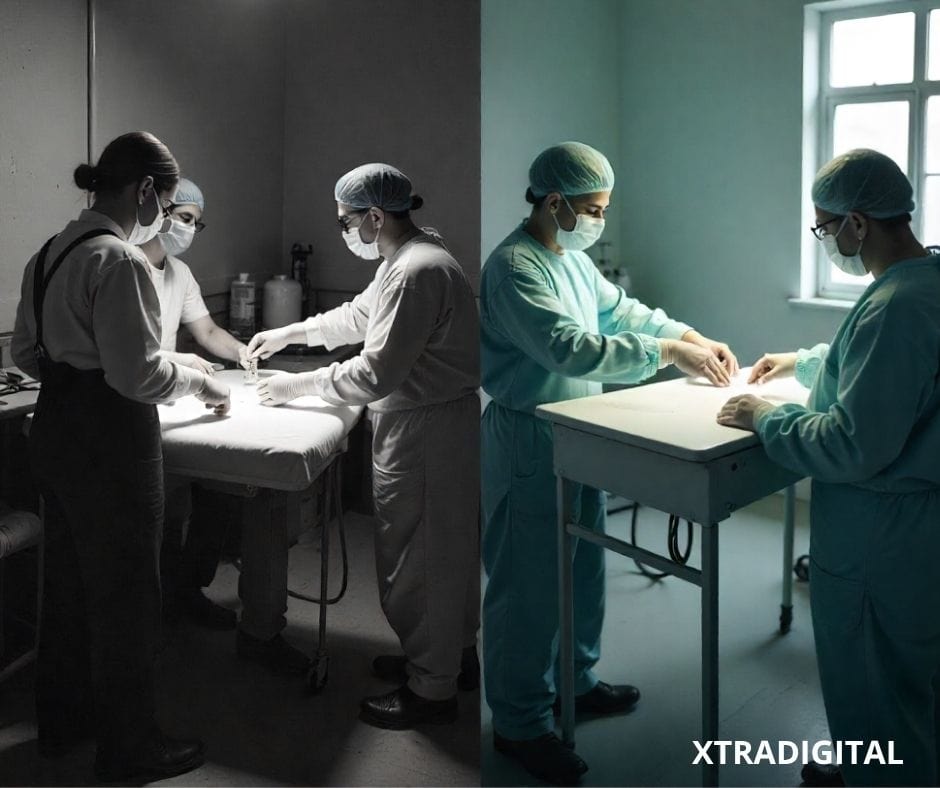
New technologies emerged. Gas sterilisation and ultraviolet sterilisation increased safety and reliability. Then came antibiotics. Penicillin transformed the fight against infection. Diagnostic methods for identifying microorganisms improved. Operating theatres introduced laminar airflow systems. These reduced contamination during procedures.
Освен това се разработват и антимикробни превръзки, както и Antimicrobial dressings were developed. Biocompatible materials for wound care followed. Today, surgery relies on molecular microbiology, immunology, and nanotechnology. These tools raise the standard of prevention and safety in surgical procedures.
Recognition
Thanks to his innovative work, Joseph Lister established himself as one of the most respected figures in the world of medicine. He was elected president of the Royal College of Surgeons in England and received numerous honors, including a knighthood.
His methods were adopted and applied worldwide, transforming surgery into a significantly safer medical practice.
He once said:
„My aim is not only to cure but to prevent disease.“