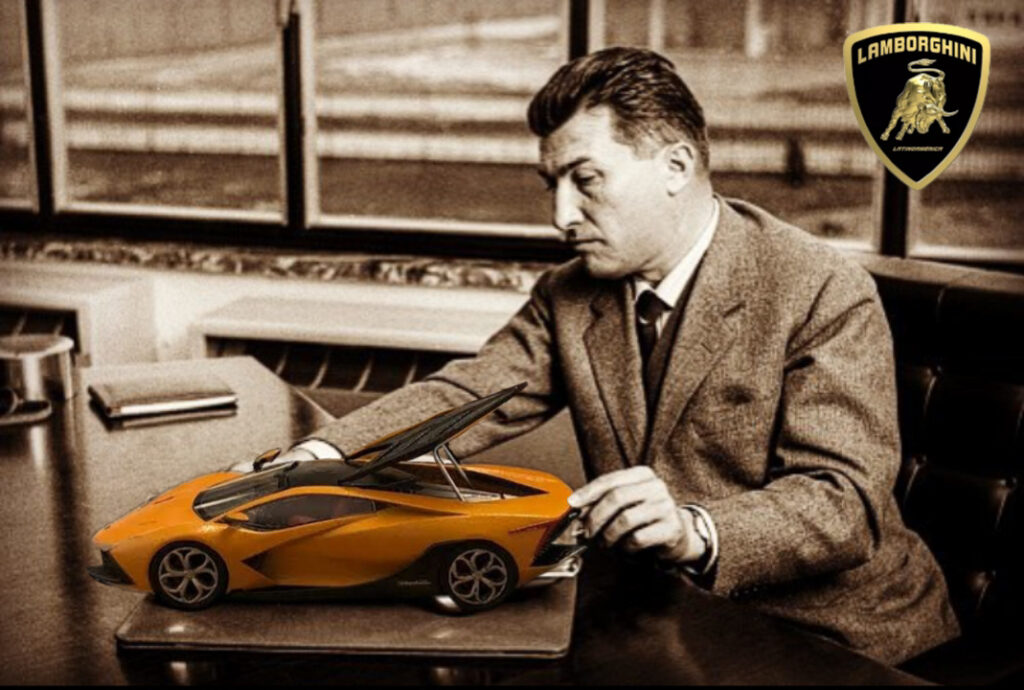
Ferruccio Lamborghini was born on April 28, 1916, in the village of Cento, Italy. He did not follow in the footsteps of his farmer parents. Instead, he became fascinated by mechanics from an early age. He studied at a technical school in Bologna and began his career as an apprentice. During World War II, he served on the island of Rhodes. The Italian showed great engineering ingenuity there. He adapted and repaired military equipment. These skills became the foundation of his future success.
From military mechanic to tractor tycoon
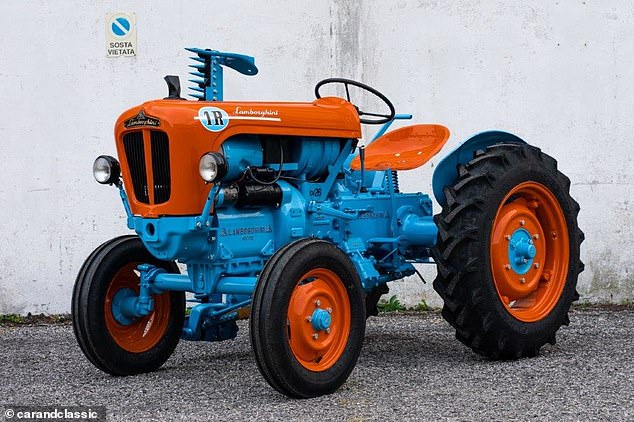
Ferruccio Lamborghini started his business with agricultural equipment. The „Carioca“ tractors and his first major production line date back to 1946–1949. According to Profit.bg, he created the first models “ from spare parts of military equipment.“ These models stood out for their innovation and reliability. One year later, he lost his wife, but his son, Antonio, was born. In 1948, he founded a company for agricultural machinery. By 1951, it already had 30 employees and produced over 200 tractors per year. The name Lamborghini began to be associated with innovation and reliability in agriculture.
The birth of a legend
Frustrated by his Ferrari’s quality and Enzo Ferrari’s arrogant attitude, Ferruccio Lamborghini decided to challenge the world’s most prestigious car brand. At the time, Lamborghini was already a successful tractor manufacturer. Legend has it that after a dispute over a faulty clutch, he received a dismissive insult: „You are just a tractor maker. Do not give me advice on sports cars.
Those words became the spark for his own sports car. He designed it as a true masterpiece. In 1963, the 350 GTV model debuted at the Turin Motor Show. It impressed everyone with a bold design and a powerful engine. This marked the beginning of Lamborghini’s rise. It also gave birth to a legendary rivalry. This rivalry still keeps the spirit of competition alive in the world of supercars.
Creating an icon
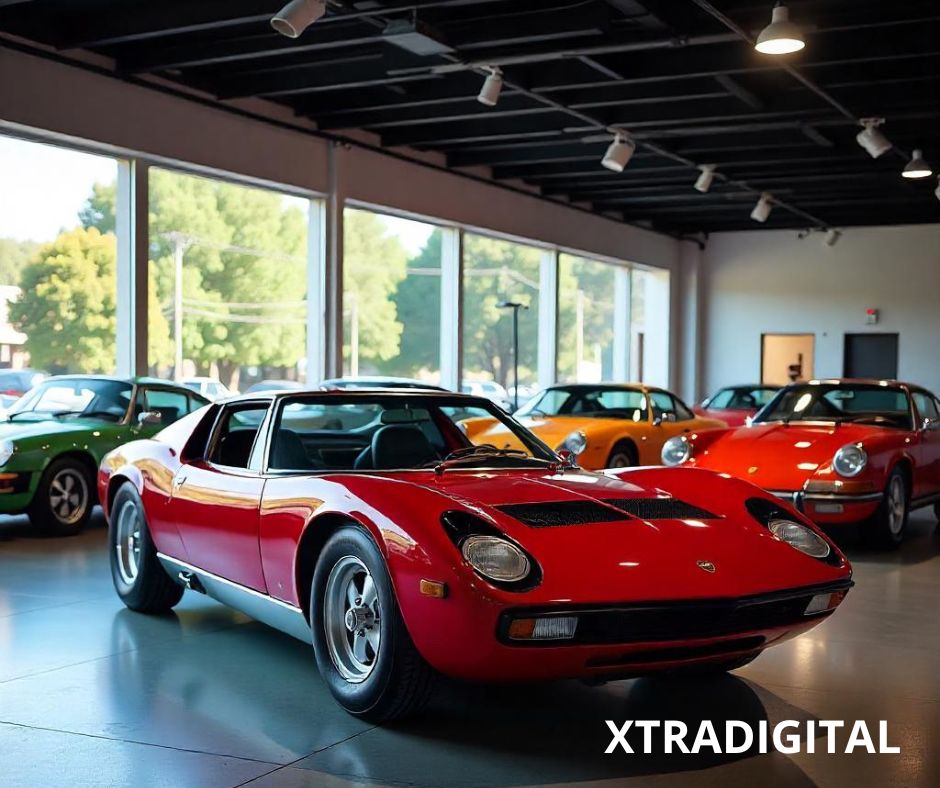
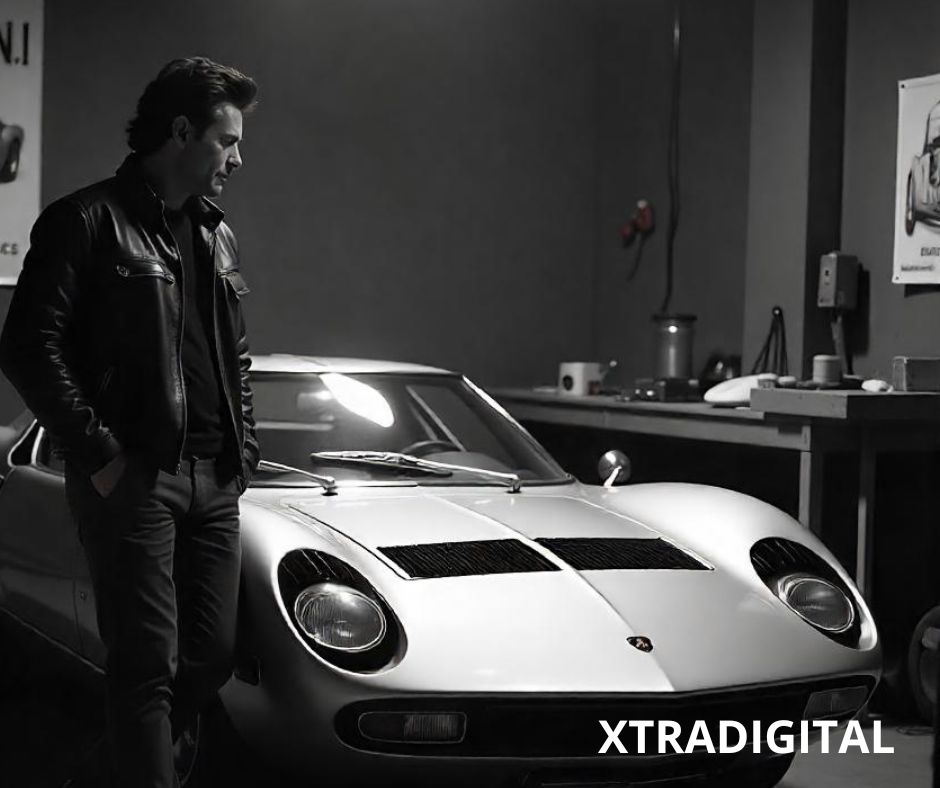
In 1966, the Italian brand presented the Miura model. This car defined the concept of a „supercar.“ It had great power, speed, and design. The vehicle became a symbol of luxury cars. The „scissor“ doors and elegant shape made it a favorite for collectors and celebrities.
Lamborghini’s difficulties in the 70s
The economic crisis and increasing competition brought serious challenges to the company. The talented tycoon sold his business and retired. He later shared that this was one of his biggest mistakes.
Final stretch for the great industrialist
He died on February 20, 1993, in a hospital in Perugia, Italy, at the age of 76. The cause was a heart attack. He spent the last years of his life in his native province of Emilia-Romagna. There, he dedicated himself to agriculture. This passion remained a part of him even after the global success of Lamborghini cars.
Although he retired from active management in the 70s, Ferruccio remains a legend in the automotive world. He is the man who answered Enzo Ferrari’s challenge. He turned his own brand into an emblem of speed.
New models and an electric future
The company has a turbulent history. It passed through various owners like Chrysler, MegaTech, and Audi. Today, Automobili Lamborghini S.p.A. is part of the Volkswagen Group through Audi AG. Audi has managed the brand since 1998. This contributed to its technological progress and global success.
German engineering precision helped the Italian marque. The manufacturer combined traditional Italian design with modern technology and high reliability. This led to models like the Huracán and Aventador. It also led to the Urus SUV. It became the best-selling model in the history of the brand. The newest electrified Revuelto also joins them. All these models from the house of the Raging Bull are synonyms for extreme performance, luxury, and innovation.
Heritage beyond ars
Ferruccio’s influence is felt far beyond the automotive industry. Today, the brand name is a synonym for passion, courage, and the pursuit of perfection. It has become a cultural icon. It inspires fans of supercars and people who believe that boundaries are made to be crossed.