

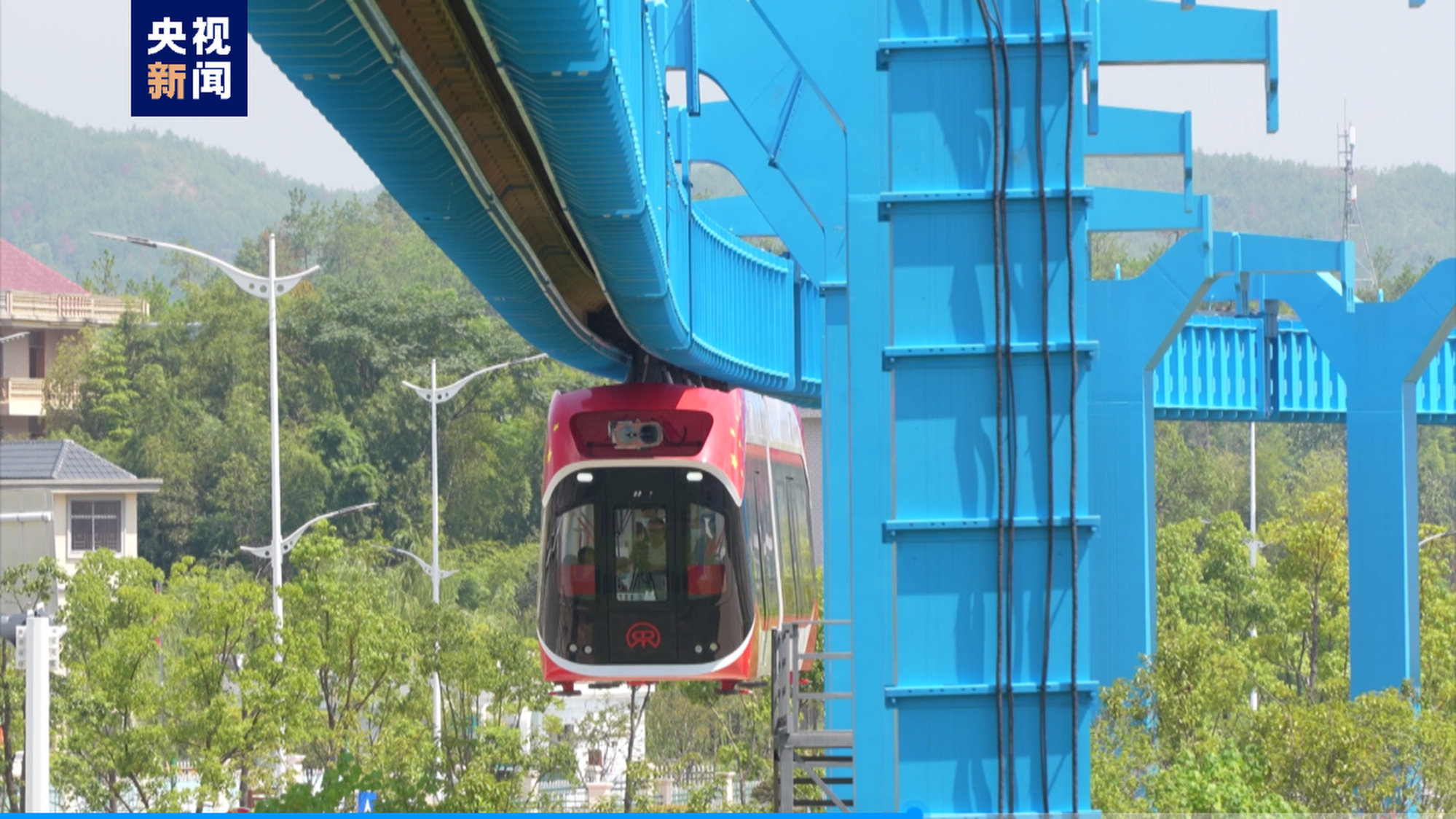
Maglev trains use magnetic fields to move. They have no physical contact with the track. This allows speeds that traditional railways cannot reach.
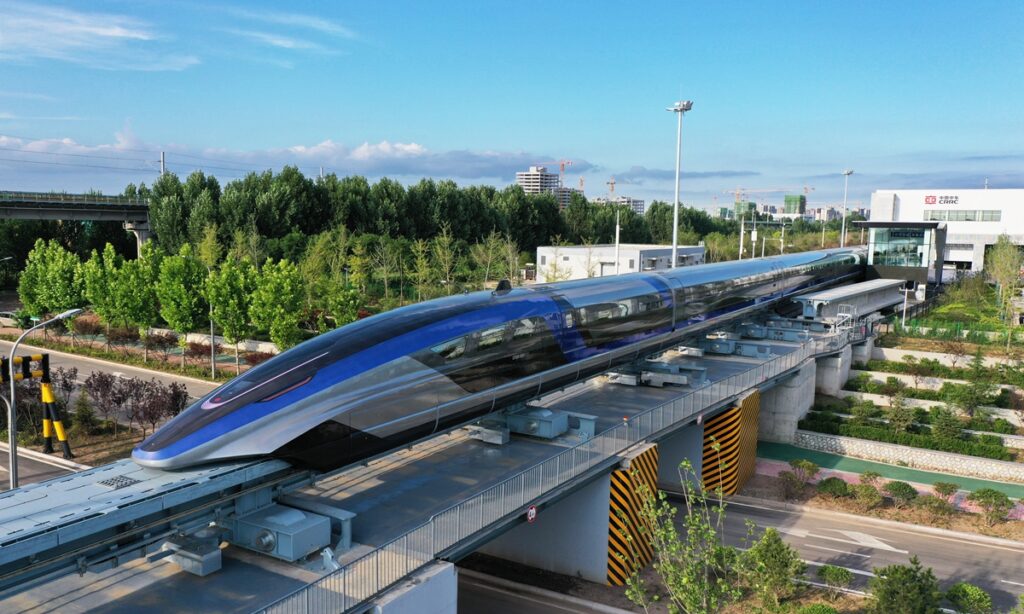
How the technology works
Superconducting magnets lift the train a few centimeters above the track. Friction between wheels and rails disappears completely. The ride becomes smooth and quiet, and passengers feel no vibration.
Linear motors generate a shifting electromagnetic field that pulls the train along the route. The system runs on electricity and needs no fuel. Acceleration far exceeds that of any conventional train.
Dedicated steering systems keep the train stable at any speed. They hold a safe path through every curve, and safety is built into the core design.
Why speed changes everything
Conventional trains hit a hard ceiling. Wheel friction limits how fast they can go, and high speeds wear down both wheels and rails. Maglev removes that limit. Without contact, there is no mechanical wear at the interface between train and track. This opens the door to speeds beyond 600 km per hour in test conditions.
Higher speed changes how people think about distance. A trip that once took hours by car or plane can shrink to minutes. Cities once treated as far apart become part of the same daily commute. This reshapes how regions plan housing, jobs, and transport links.
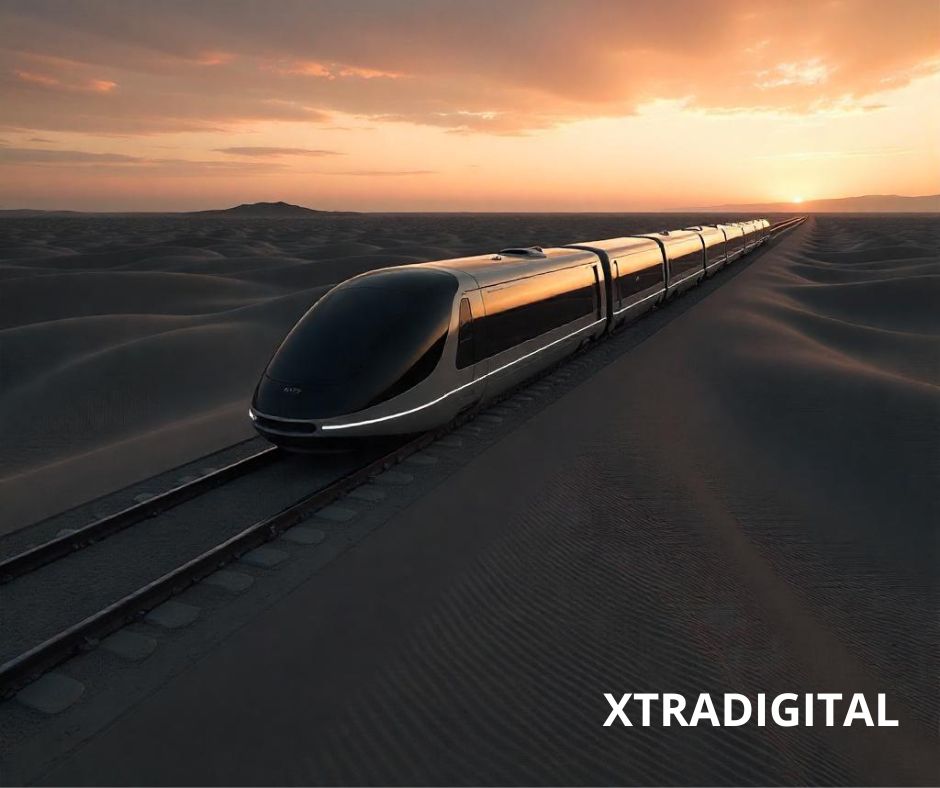
World records and real lines
Japan’s SCMaglev train set a world record of 603 km/h in 2015. Shanghai’s maglev line covers 30 km between the airport and the city center in about 7 minutes. The same trip by car takes over 40 minutes in normal traffic.
China is building new lines with capacity for hundreds of thousands of passengers per day. Japan plans to open the Tokyo–Nagoya line by 2027. It will cut travel time from 90 minutes to 40.
Key advantages of maglev trains
Maglev trains deliver speed that conventional rail cannot match, with test runs exceeding 600 km per hour. The lack of friction removes mechanical wear, which cuts maintenance costs over the life of the system. Energy efficiency stands out too, since less power is lost to heat and the system runs entirely on electricity rather than fossil fuel.
Noise drops sharply without wheels striking rails, which makes maglev lines far less disruptive to nearby communities. The ride itself improves as well. Passengers feel no vibration, since the train never touches the track. Safety also benefits from the core design, as dedicated guidance systems keep the train stable through every curve at any speed.
Together, these advantages position maglev as a serious alternative for regions seeking faster, cleaner, and quieter transport links.
The challenges ahead
Construction costs remain the biggest barrier. Maglev tracks require precise engineering and dedicated infrastructure, since they cannot share rails with conventional trains. This raises the price of every kilometer built. Governments and private investors must commit to long planning horizons before seeing a return.
Despite the cost, interest keeps growing. As cities face pressure to cut transport emissions and reduce travel times, maglev offers a path that conventional rail cannot match. The technology may still be early in its global rollout, but its potential to reshape regional transport remains significant.
Energy use and environmental impact
Maglev systems run on electricity, not fossil fuel. This keeps operational emissions low, especially when the power grid draws from renewable sources. The absence of friction also means less energy is lost to heat. A maglev train can move at high speed while using less energy per passenger than a comparable jet flight.
Noise levels stay low too. Without wheels striking rails, the main source of railway noise disappears. Communities near maglev lines experience far less disruption than those near conventional high speed rail.
Urban applications
Maglev is not only for long-distance travel. In cities, it can replace the metro. It offers a faster, quieter, and more reliable service. It suits high-density corridors with over 100,000 passengers per day. Cities like Seoul, Beijing, and Dubai are already testing or planning urban maglev lines.
What comes next
New materials and better systems are reducing costs. Maglev trains are becoming more accessible. They will change how we travel on both long and short routes.
Some of us will be lucky enough to do so soon, while for others it will happen later. In any case, the applications for this are already on the horizon!
Frequently asked questions (FAQ) about high-speed machines:
If you would like to learn more about maglev train technology, check out the detailed article on the Bulgarian Wikipedia