
Hydrogen-powered aircraft are the future of aviation
Aviation is undergoing a massive transformation, with sustainability becoming the top driver of innovation in air travel. In 2022, Airbus and Linde signed a strategic agreement to build hydrogen infrastructure. This partnership could completely change the way we travel by air.
The plans cover refueling stations at airports. They also set strict safety standards for storage and transport. Part of the project includes developing new logistics solutions, as well as specialized training for teams operating the new systems.*
This cooperation marks a major step toward cutting the aviation sector’s carbon footprint. It proves that different industries can successfully team up to tackle climate challenges.
The fuel of the future for aviation
Batteries already power some electric plane. But their weight and capacity limit them on long routes. Hydrogen offers an alternative with high energy density. It produces no carbon emissions during operation. It works for small regional planes and large international plane alike.
How the new propulsion works
The technology uses two main approaches. The first burns hydrogen directly in modified turbine engines. The second converts hydrogen into electricity through fuel cells. The first method produces thrust without CO2. The second delivers clean electric power to motors. Some designs combine both approaches to balance power and efficiency.
A hydrogen plane concept for the future
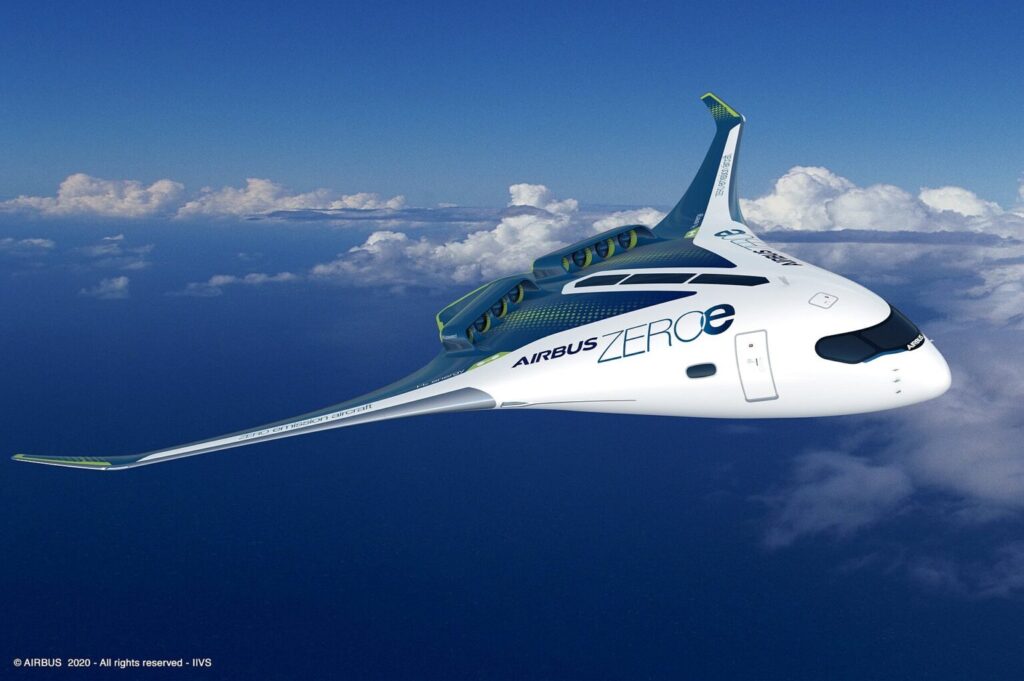
The ZEROe project stands out as one of the most ambitious in the sector. The plane features six independent engines that run on alternative fuel. IIt has systems to store liquid hydrogen safely. The storage temperature is minus 253 degrees. The manufacturer says this model cuts harmful emissions. It could reduce them by up to 50% in the early years. It also promises reliability, comfort, and safety for passengers.
Other visionary projects
Airbus is not alone. Several companies are developing their own alternative propulsion concepts. ZeroAvia already tests regional plane that run on clean energy. Universal Hydrogen builds modular storage and refueling systems. These can fit into existing plane. Lufthansa Technik focuses on maintenance procedures for hydrogen-powered aviation systems.
Methods for producing hydrogen
Producers make this fuel in three main ways. Each has its own environmental and economic profile. Green hydrogen is the cleanest option. Producers make it through water electrolysis using renewable energy. Blue hydrogen comes from natural gas, with carbon capture and storage. Grey hydrogen remains the most common type. Producers make it from fossil fuels without capturing emissions.
Infrastructure and challenges
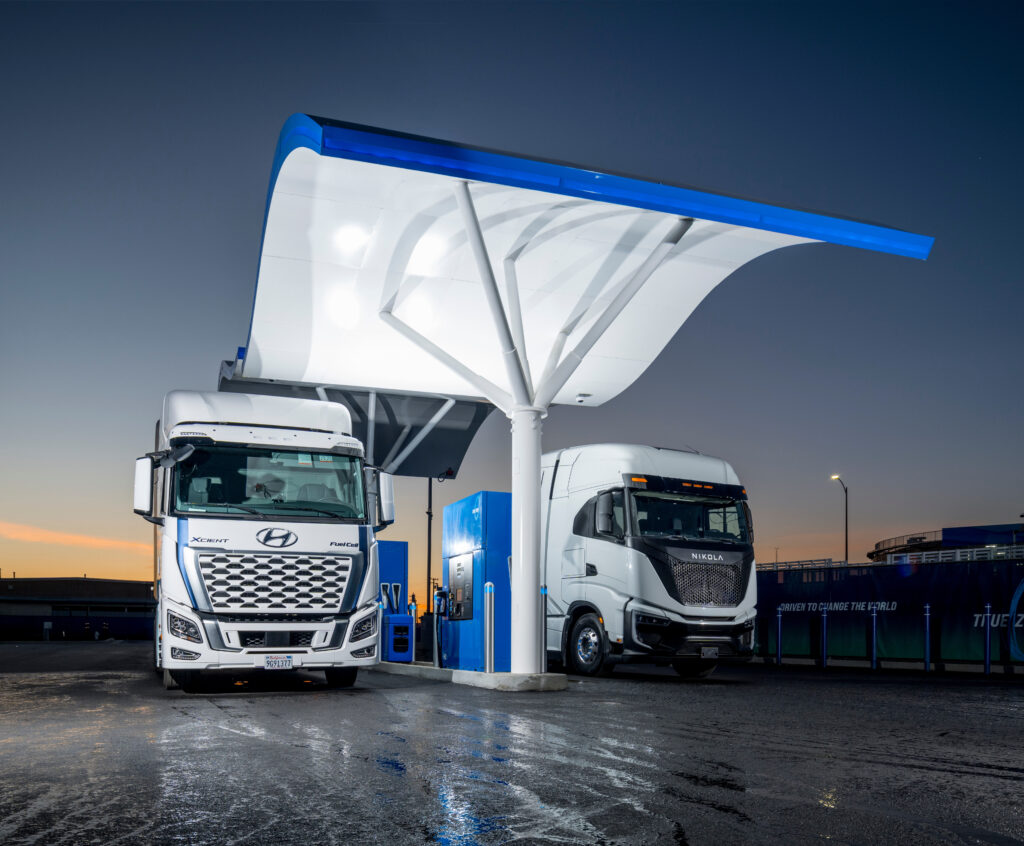
Wide adoption of this technology requires major changes to airport infrastructure. Airports need new refueling stations. They also need upgraded storage facilities and specialized equipment for extremely low temperatures. Global standards and regulations for air transport must adapt too. They need to fully cover hydrogen operations.
Environmental impact and long-term benefits
Alternative fuel propulsion could cut greenhouse gases and cut noise pollution near airports. This would improve quality of life near major transport hubs. It would also support global efforts to fight climate change.
Regulatory framework and certification
International aviation bodies are already working on new certification rules for hydrogen plane. A clear regulatory framework will speed up adoption. It will also guarantee safety for passengers and crews.
Looking ahead
Experts predict the first clean-fuel plane will serve regular routes by the mid-2030s. As infrastructure grows, costs will fall. This will make the technology more accessible.
H₂ is no longer just a concept, but a real solution for reducing harmful emissions from air travel. Thanks to investments, technological advances, and global partnerships, aviation can enter a new era in the coming years, where sustainable flights will be the norm rather than the exception. It’s time to fly more sustainably, farther, and safer with the energy of the future!
This post was updated on September 10, 2025.